Manufacturing
Transformer manufacturing and testing
Integrated manufacturing from incoming materials to final assembly and testing, supported by digital production systems and documented quality controls.
- Plant area
- 100,000m²
- Large equipment
- 460units
- Test equipment
- 60types
Scale, capacity and equipment in one view.
Transformer production, prefabricated-substation assembly and test resources on one industrial campus.
- Total investment
- ≈ RMB 250mManufacturing-base investment
- Plant area
- 100,000 m²Manufacturing campus
- Production equipment
- 460Large mechanical units / sets
- Test equipment
- 60 typesSupporting test equipment
- Large main transformers
- 1,200Units per year
- Distribution transformers
- 12,000Units per year
- Box-type substations
- 10,000Units per year
- Complete switchgear
- 15,000Units / sets per year
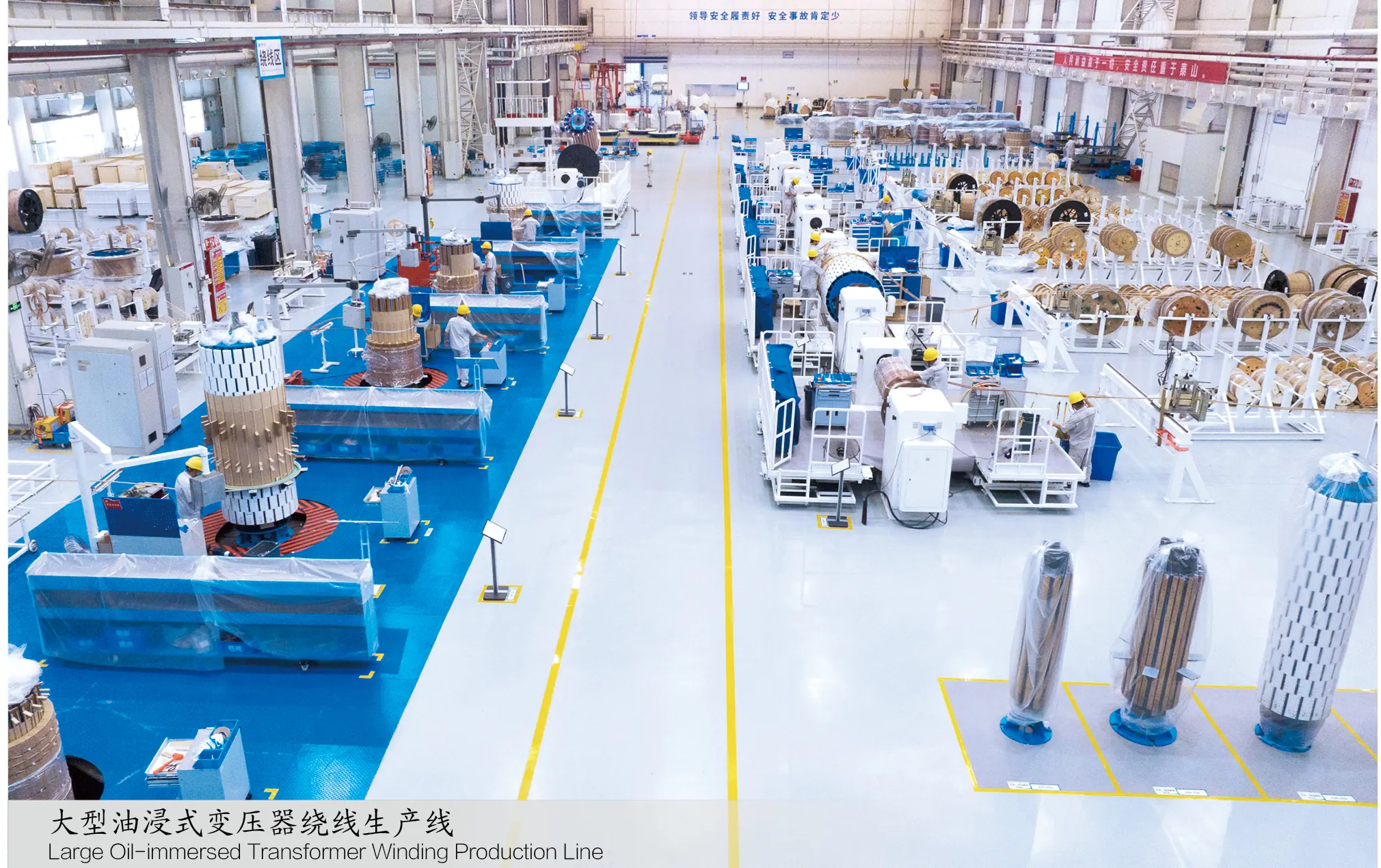
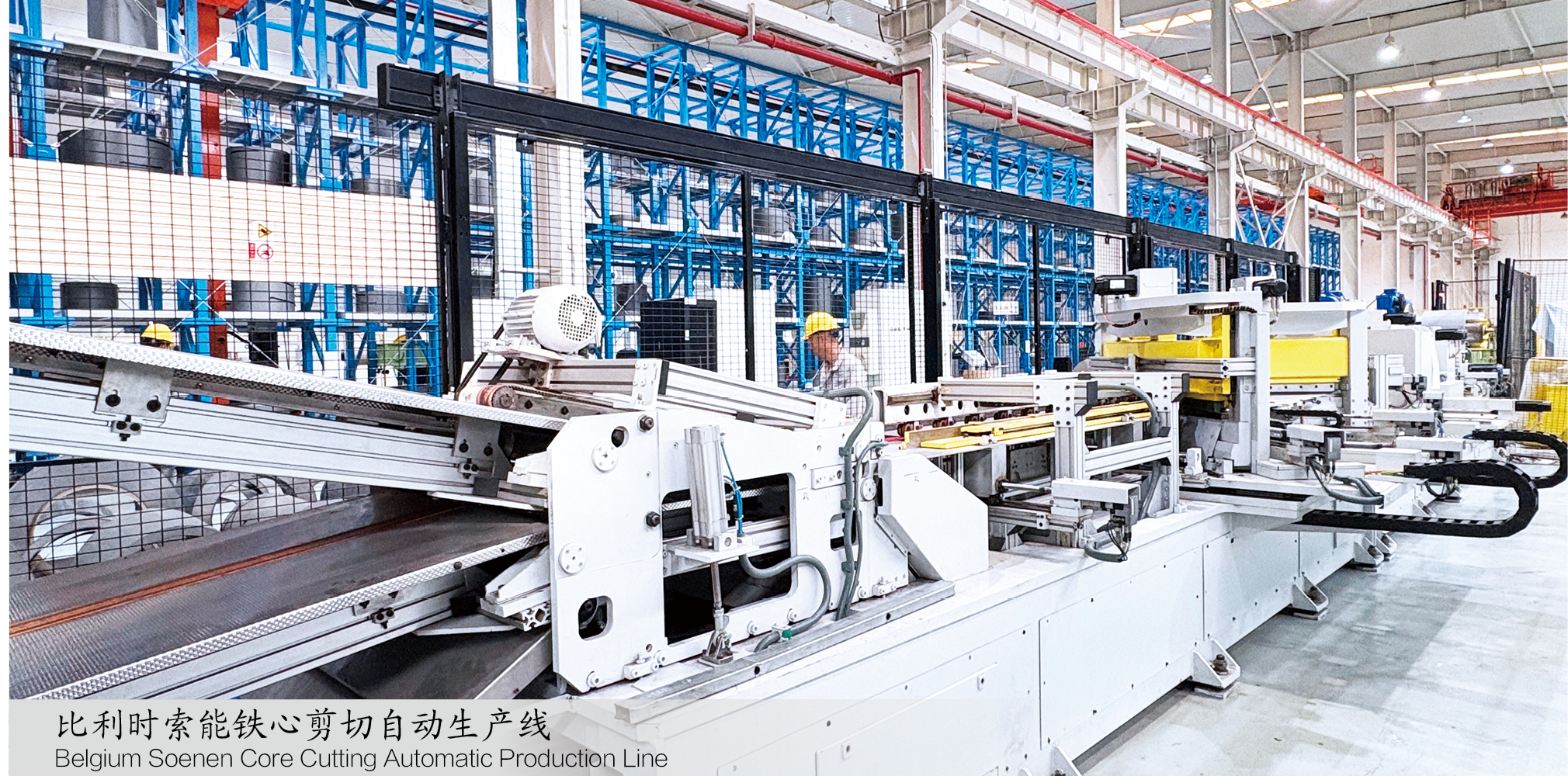
Explore the manufacturing base by area.
Large transformers, core processing and prefabricated substations each have dedicated production areas.

From incoming materials to tested transformer.
Eight stages connect material control, core and coil work, active-part assembly, drying, final assembly and testing.
Material inspection
Incoming conductor, core steel and insulation materials are checked before release to production.
Core cutting
Grain-oriented silicon steel is cut, stacked and dimensionally controlled.
Coil winding
HV and LV windings are wound to the approved design data.
Insulation and leads
Insulation build-up and lead connections to bushings and tap changer.
Active-part assembly
Core, coils, leads and clamping structure are integrated.
Vacuum drying
Moisture is removed from the insulation before oil processing and final assembly.
Tanking and final assembly
Tank, radiators, bushings, conservator and accessories are fitted.
Routine test and FAT
Inspection, agreed testing and release records before shipment.
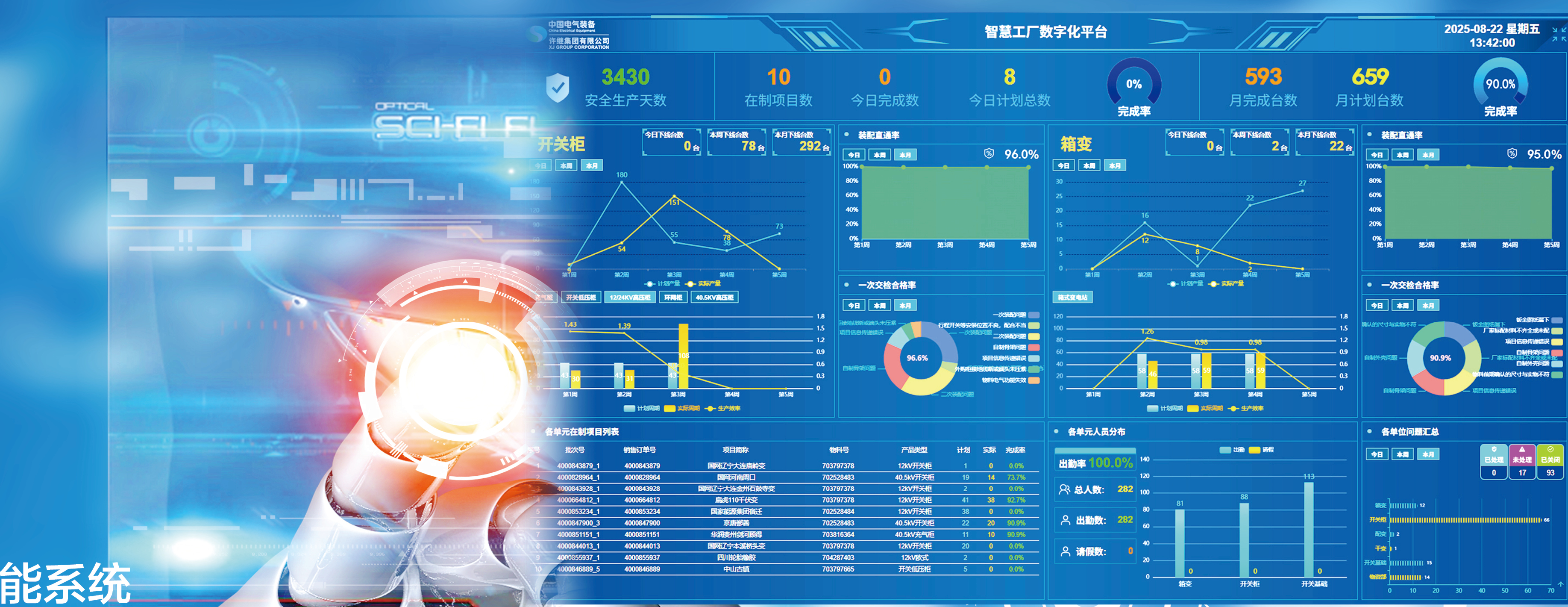
Supply, production, quality and logistics controls.
SRM, MOM, QMS and WMS support supplier coordination, production execution, quality traceability and material flow.
- SRM · Supplier relationship management
- Supplier coordination, material delivery and procurement collaboration.
- MOM · Manufacturing operations management
- Production planning, process execution and shop-floor coordination.
- QMS · Quality management system
- Quality-control records and traceability through the manufacturing process.
- WMS · Warehouse management system
- Warehouse, inventory and material-flow management.
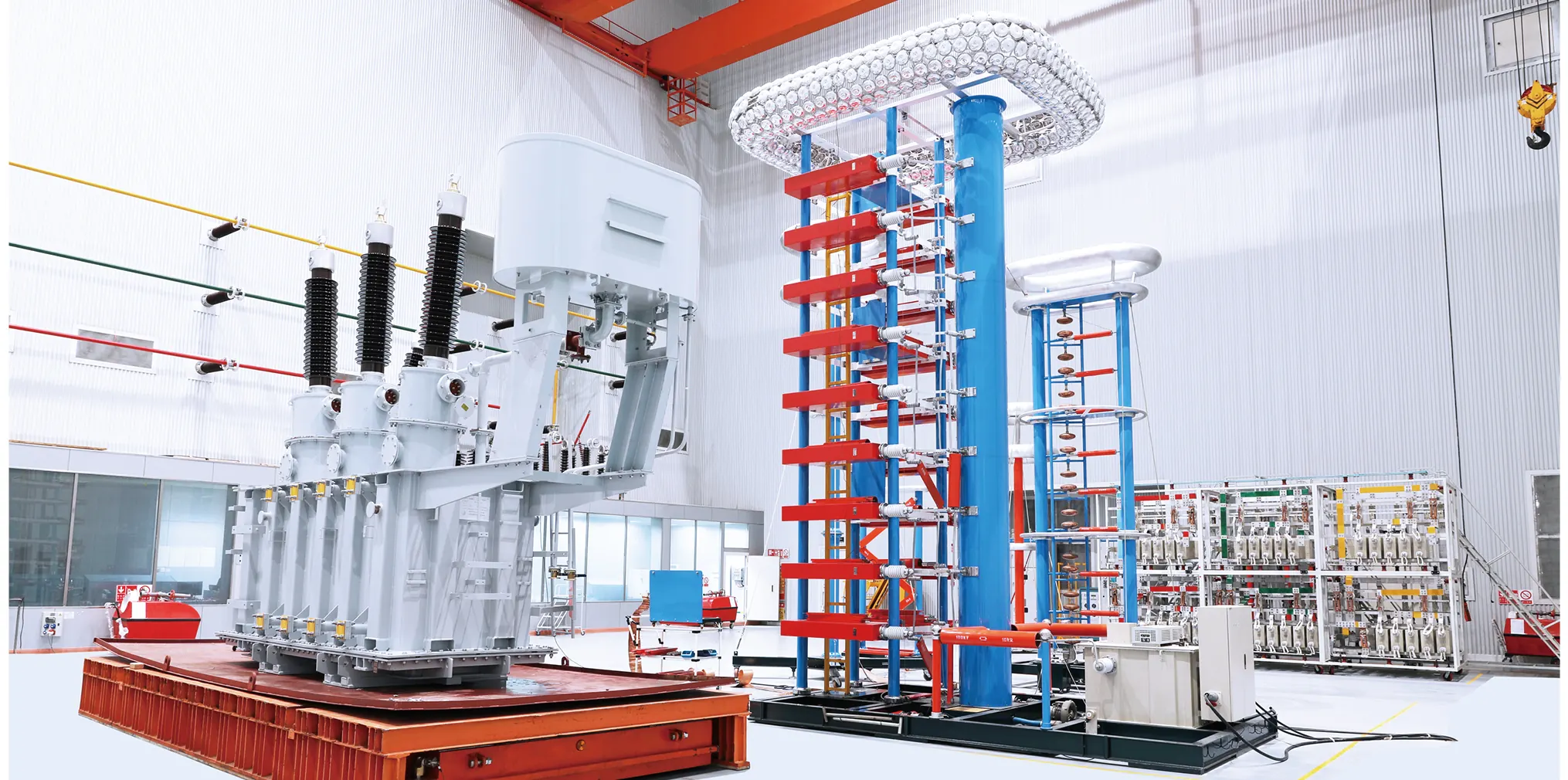
Routine testing, FAT and traceable release records.
Testing scope depends on the product, applicable specification and project contract. Routine, special and witness activities are defined against the agreed inspection and test scope.
- Routine testsRoutine tests and inspection points completed before release, according to the product and project requirements.
- Type and special testsArranged when required by the specification or contract.
- Witness FATCustomer or third-party witness can be defined for agreed FAT and inspection activities.
- Traceable recordsInspection and test records form part of the project document chain where required.
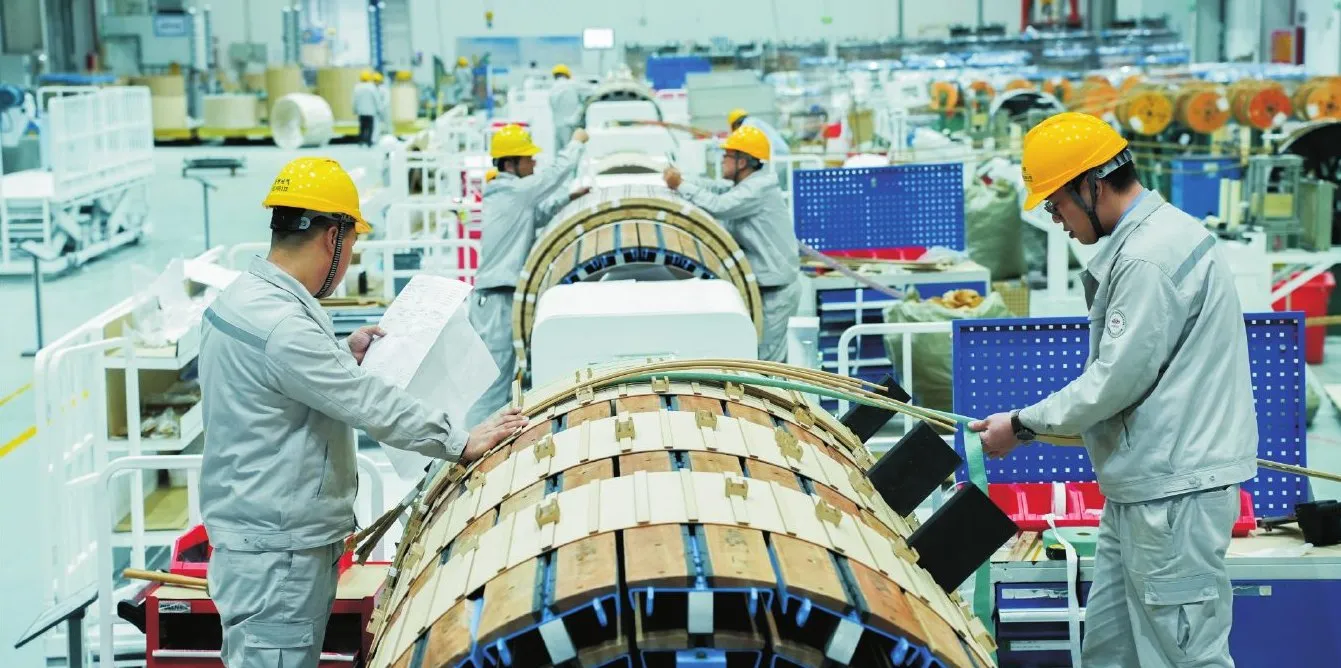
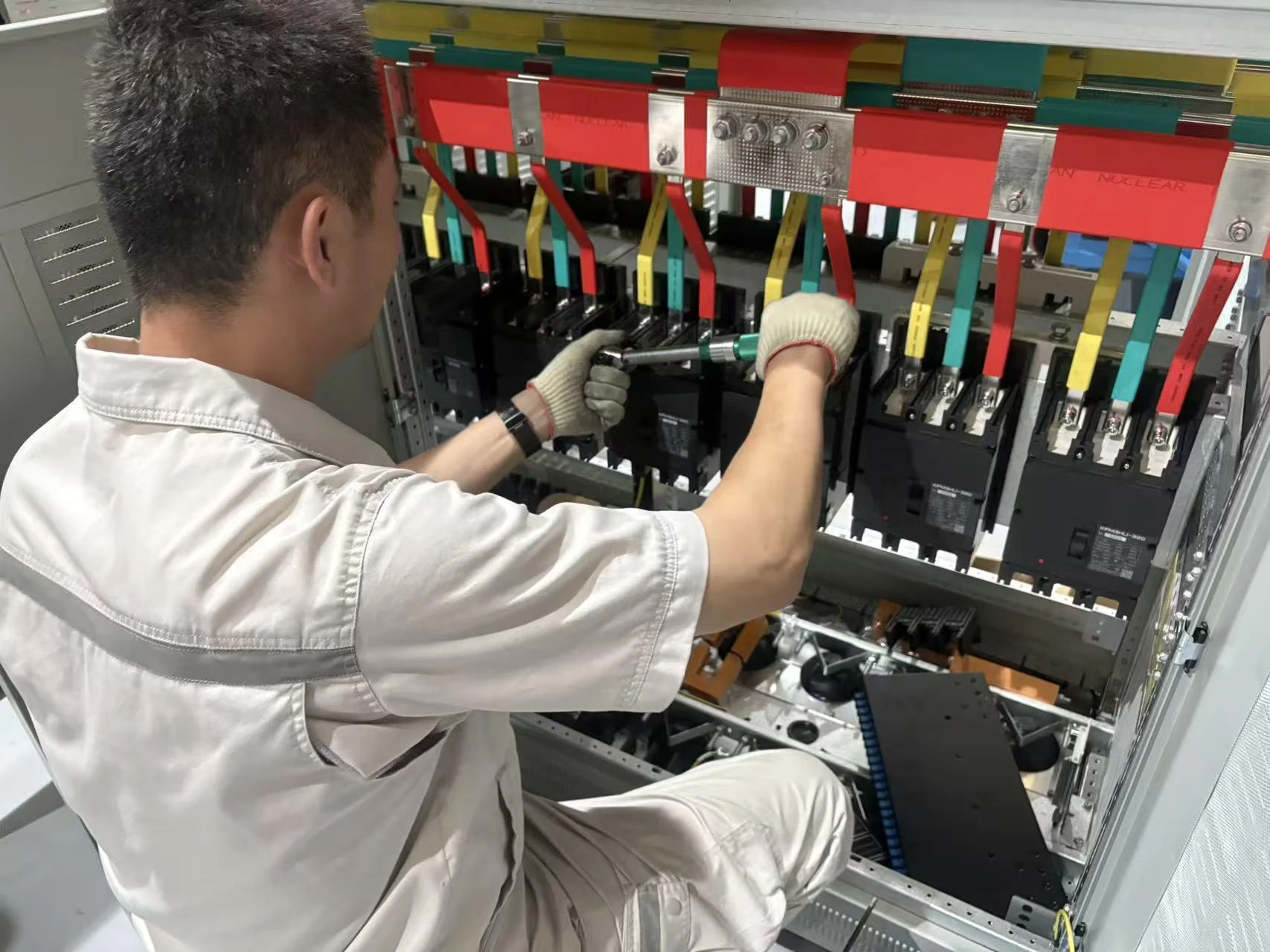
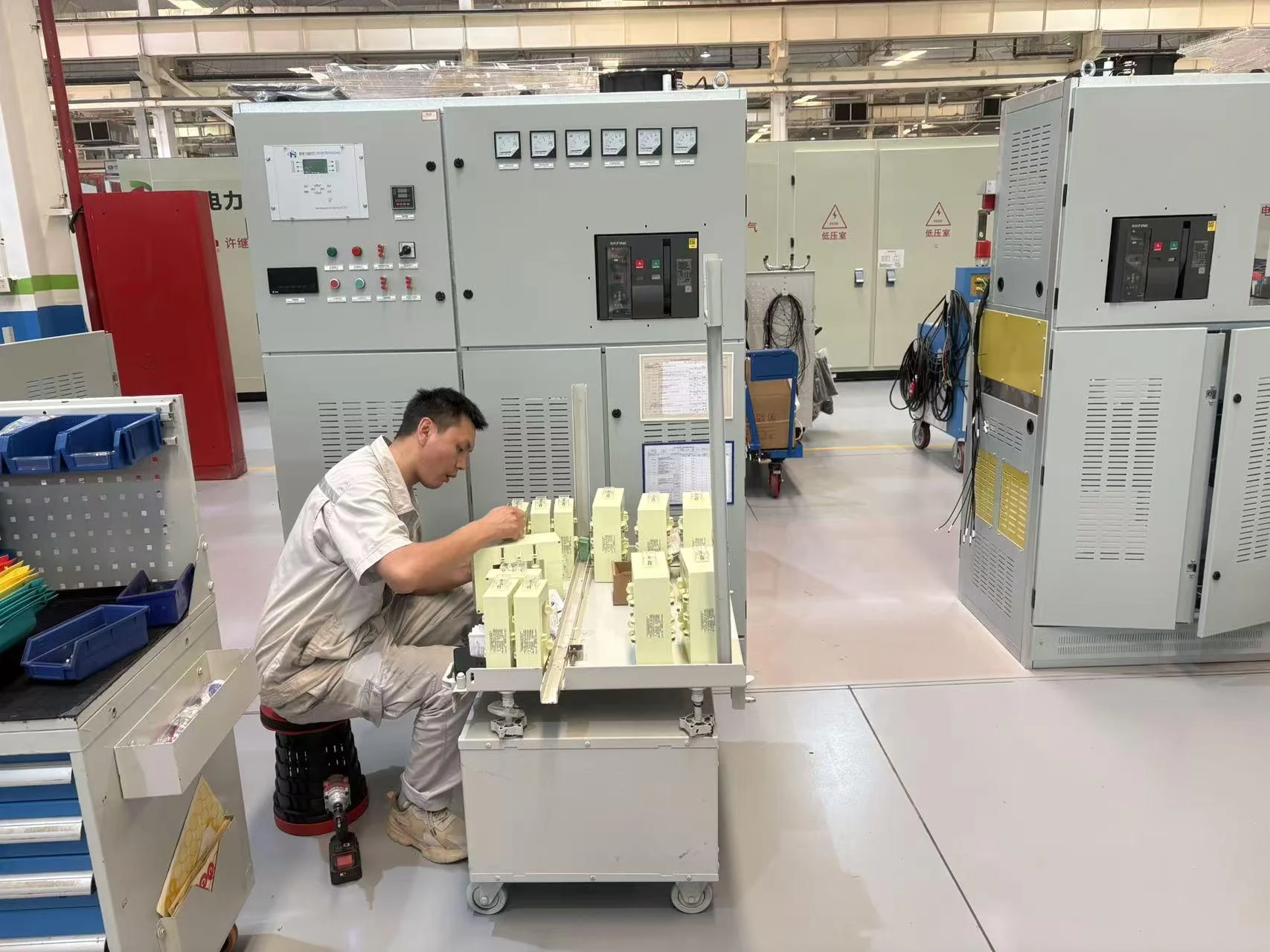
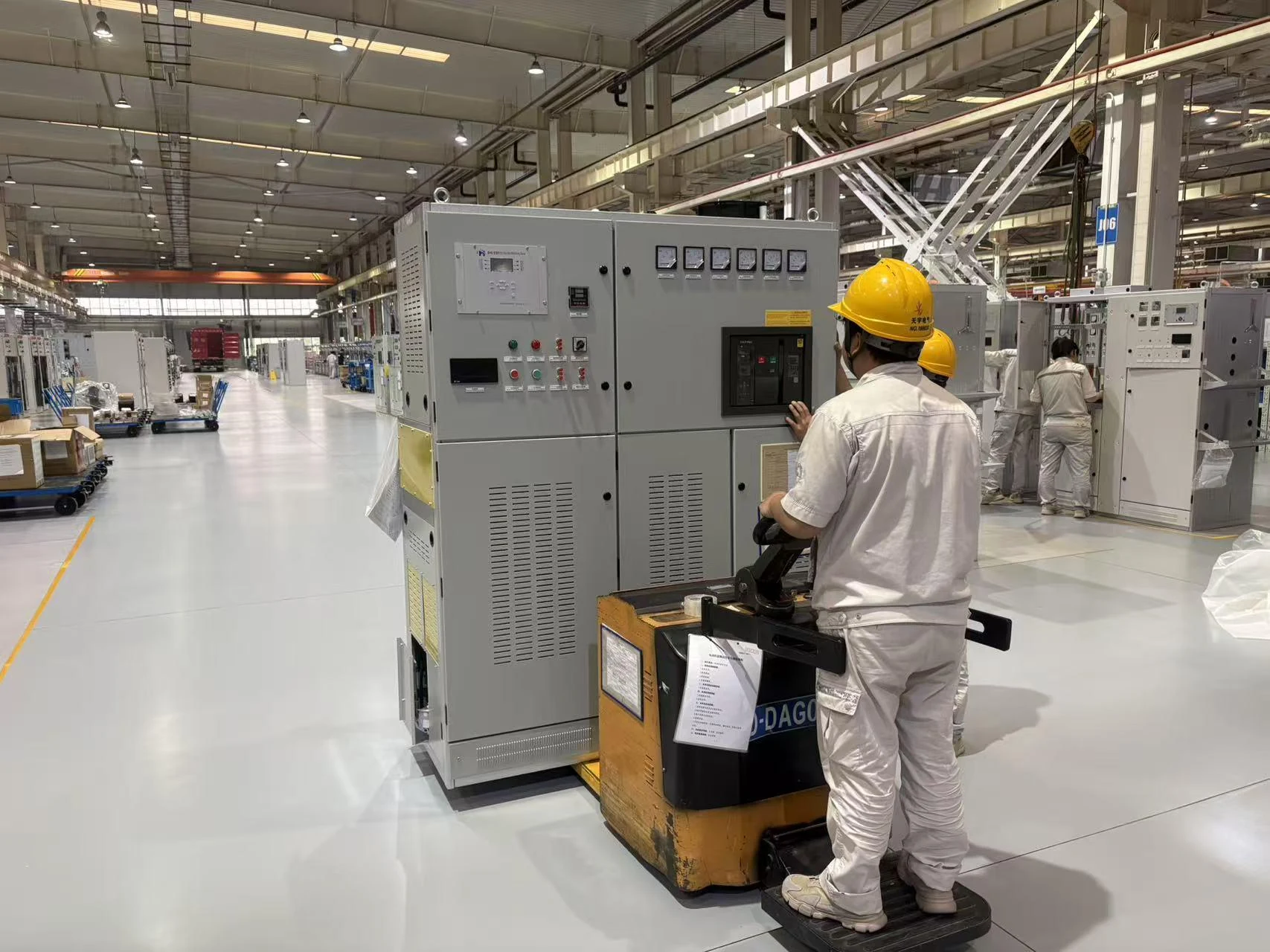
Workshop and assembly.
Photographs from the Tianyu factory gallery.

Questions for factory and tender review.
Final scope is governed by the project specification and contract.
Can FAT be witnessed by the customer or a third party?
Witness arrangements can be included where required by the project and agreed in the inspection and testing scope.
What manufacturing documents can be discussed during tender review?
Typical requirements may include approved drawings, inspection and test records, FAT documentation, packing information and project-specific handover documents.
Can customers arrange a factory visit?
Factory-visit requirements can be submitted through the inquiry form so the relevant product, project stage and visit purpose can be reviewed in advance.
Review the manufacturing capability behind your project.
Arrange a factory visit or discuss the inspection and test plan for your specification.